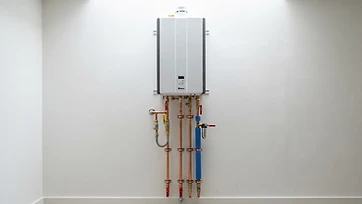
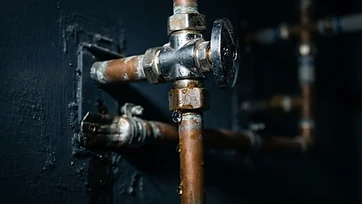
Adding a gas range, dryer, fireplace, or outdoor BBQ? Here's what goes into a safe, code-compliant gas line installation — and why it's never a DIY job.
Adding a gas range, a dryer, a fireplace, an outdoor BBQ, or a shop heater is one of the best upgrades you can make to a home — but it's a job that lives in a different category from the rest of your renovation. Gas work is licensed, permitted, inspected, and unforgiving of shortcuts. Here's what actually goes into a safe, code-compliant gas line installation.
Why gas work is different
Every other trade in your home is regulated; gas work is certified. In Ontario, gas installations have to be done by a TSSA-registered gas technician, and the work has to be inspected and tagged before it's put into service. That's not red tape for its own sake — a leaking or improperly installed gas line is a fire and asphyxiation hazard, and a traced-back installation to an uncertified connection can void your insurance and your home warranty.
The short version: gas line work is never a DIY project, and "my neighbour is handy" doesn't count. If anyone touches the gas piping who isn't certified, the installation is illegal — and an uncertified connection is the kind of thing an inspector or an insurance adjuster finds after a problem, not before.
Sizing the line
Gas lines aren't one-size-fits-all. A gas appliance needs a specific volume of gas at a specific pressure, and the pipe that feeds it has to be sized to deliver that volume without starving the appliance — or any other gas appliance on the same run. We size the line from the load (the total BTU demand of every appliance on the run), the length of the pipe, the gas pressure, and the material, using the code tables. An undersized line means a range that won't light cleanly, a fireplace that soots, or a furnace that underfires — and it's a common result of somebody "just running a pipe" without doing the math.
The permit and the inspection
A gas line installation requires a permit, and the work has to be inspected and pressure-tested before the gas is turned on. We pull the permit, do the installation, pressure-test the line to verify it holds (generally at a higher pressure than the system will ever see), and call for the inspection. Once the inspector signs off and we tag the work, the appliance can be connected and fired.
This is the part that gets skipped when someone does the work off the books — and it's exactly the part that protects you. An uninspected, untagged gas installation is a latent liability in your home that can resurface during a sale, a renovation, or an insurance claim.
What to expect on install day
A typical gas line install goes like this: we locate the existing gas supply and the route to the new appliance, run the new pipe (steel, CSST, or copper depending on the application and the code), install a gas shut-off valve at the appliance, pressure-test the run, and connect the appliance with an approved flexible connector. For an outdoor run (a BBQ or a shop heater), the line has to be rated for the environment, protected where it's exposed, and equipped with a shut-off that's accessible. We finish with the leak test on every joint — soap solution or a combustible-gas detector — and we confirm the appliance itself is firing and venting correctly.
Outdoor and outbuilding runs
Gas to a detached garage, a workshop, or an outdoor BBQ is increasingly popular, and it has its own requirements. The line has to be buried at the right depth, run in approved material where it's underground, exit the building with the right clearance and flashing, and terminate with an accessible shut-off and an appliance connector rated for outdoor use. We're licensed for the underground runs and the leak testing, and we coordinate the excavation and the backfill so the line is protected and to code.
Signs of a bad installation
If you've moved into a home with existing gas work and you're not sure about its pedigree, a few things prompt a closer look: a gas appliance that smells faintly of gas when it runs, a range with a yellow or lifting flame (it should be a crisp blue cone), soot around a burner or a fireplace, or untagged connections that nobody can account for. Any of those warrants a gas technician on-site before you use the appliance — a yellow flame means incomplete combustion and carbon monoxide, and that's not something to wait on.
The yardstick
The right way to judge a gas installation is to ask two questions: Is the installer TSSA-certified? and Will it be permitted, pressure-tested, and inspected? If the answer to either is no, the price — however attractive — isn't worth the risk. We do gas work the long way, with the sizing, the permit, the test, and the tag, so the installation in your home is the kind an inspector would sign off on and an insurer wouldn't question.
If you're planning a new gas appliance, give us a call before you buy it. We'll tell you what the line costs to run, whether your existing gas supply can support the added load, and what the permit and inspection look like — so you can plan the renovation around the gas work, not the other way around.
[ NEED A LICENSED PLUMBER? ]
We do the work these guides describe.
Five Lakes Mechanical — licensed plumbers and gas fitters serving Cambridge, Guelph, Waterloo and surrounding areas. Upfront pricing, a two years workmanship guarantee, and a real person on the phone.